
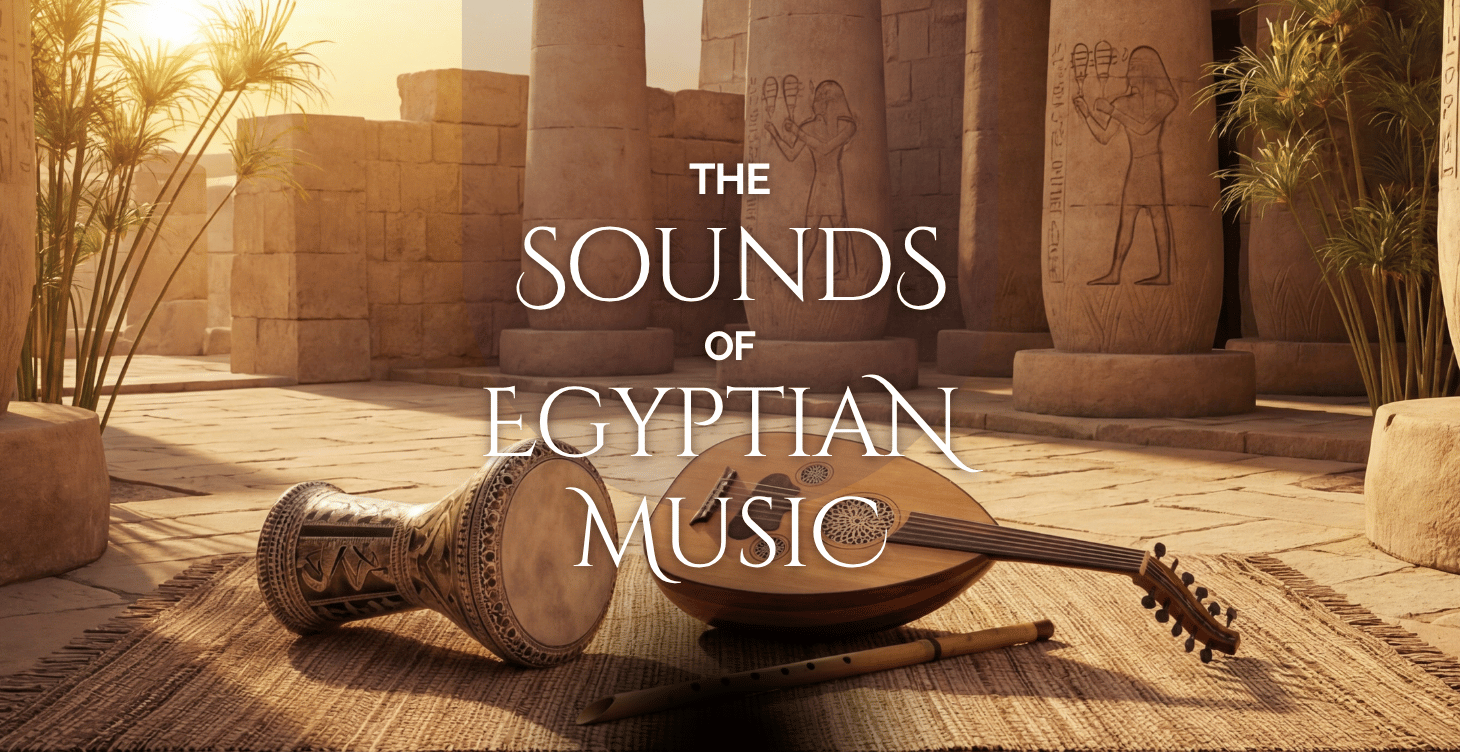
The Sounds of Egyptian Music
Premium Online Course
You Can't Respond to What You Don't Hear
Discover the voices inside Egyptian music and develop a stronger connection between what you hear and how you dance.
If you’ve ever felt like you’re hearing the rhythm but missing everything else, this course will help you listen in a whole new way.
By getting to know the instruments that shape Egyptian music, you’ll gain more musical awareness, more confidence in your dancing, and more inspiration for improvisation and creative expression.
Do You Ever Feel Like...
- Every song blends together?
- You hear the drum, but not much else?
- Your dancing feels repetitive?
- You’re not sure what to listen for in the music?
- You want to feel more connected to Egyptian music?
You’re not alone.
Most dancers spend years learning movement, but very few learn how to listen.
The More You Hear, The More You Have To Dance To
Every instrument brings its own voice, personality, and texture to the music.
When all you hear is the beat, your movement options are limited.
But when you begin hearing the breath of the nay, the emotion of the violin, the warmth of the accordion, or the power of the mezmar, new possibilities begin to emerge.
The music becomes richer and your dancing becomes more connected, creative, and expressive.
Discover the Voices of Egyptian Music
In this self-paced course, you’ll get cozy with 19 instruments commonly heard throughout Egyptian music.
You’ll learn:
- How each instrument looks and sounds
- How to recognize it by ear
- Its history and cultural context
- Where it is commonly heard
- The role it plays in Egyptian music
You’ll also receive:
- Instrument Listening & Musicality Worksheet
- Access to my Spotify playlists for each instrument
- Lifetime access to all lessons
How It Works
Step 1: Join the Ahlam Academy Community
Click the button below to create your free account and join our online community on Skool.
Step 2: Visit the Classroom
Once you’re inside, head to the Classroom section where all course content is organized and ready for you.
Step 3: Start “The Sounds of Egyptian Music” Course for only $19
Purchase The Sounds of Egyptian Music course and start discovering the voices behind the music you dance to.
It’s that simple.
Why Study Instruments?
Because every instrument gives you something different to dance to, so the more sounds you can recognize, the more information you have as a dancer.
Instead of hearing one wall of sound, you’ll begin hearing layers, textures, and musical voices that can inspire new movement choices.
You don’t need to become a musician.
You simply need to become a better listener.
Because the more you hear, the easier it becomes to follow the music with confidence.
Perfect For Dancers Who Want To:
✓ Feel more connected to Egyptian music
✓ Improve their musical awareness
✓ Develop more confidence when improvising
✓ Better understand the music they dance to
✓ Expand their creativity
✓ Build a stronger foundation in Egyptian music and culture
No musical training required.
Just curiosity and a willingness to listen.
Hear More. Dance More.
The more you hear, the more you have to dance to.
When you start recognizing the voices inside Egyptian music, you stop experiencing it as one wall of sound—and start hearing instruments, layers, and musical conversation that guide your movement.
The nay, violin, rababa, mezmar, and more each offer something different to respond to in your dancing.
That’s what this course is designed to train: your ability to hear more, so you can dance with more confidence and creativity.
This course is available inside my Ahlam Academy Skool community for a one-time $19 USD course fee.
Start listening differently. Start dancing differently.
How to Join & Begin Learning
Join my free Ahlam Academy Skool community → Visit the Classroom → Start “The Sounds of Egyptian Music” course
for only $19.
FAQs
What is “the Sounds of Egyptian music” course?
Egyptian music is the foundation of many belly dance traditions. Understanding the instruments commonly heard in Egyptian music helps dancers build a deeper connection to the music and develop greater confidence in their dancing. That’s what this course is about.
Will this course help me improve my musicality?
This course builds the listening skills and musical awareness that support stronger musicality. By recognizing the voices within the music, dancers gain more information to inspire movement choices.
Do I need a musical background?
No. This course was designed specifically for dancers and requires no prior musical training.
Is this course beginner-friendly?
Absolutely. Whether you’re new to belly dance or have years of experience, this course will help you develop a deeper understanding of Egyptian music.
What instruments are covered in the course?
The course explores 19 instruments commonly heard throughout Egyptian music, including wind instruments, string instruments, and percussion instruments.
How will learning instruments help my dancing?
The more you hear in the music, the more you have to respond to as a dancer. Learning to recognize instruments can help you feel more connected, creative, and confident when dancing.